Optimum comfort is the number one goal when shopping for your perfect hiking ‘fit. How you look on your hike differs in importance from hiker to hiker, but how you feel is a top priority. There are numerous reasons why fit matters with hiking trousers. Chafing, restricted movement, and the unavoidable agitation when something doesn’t quite fit right, are the ingredients for a hiking disaster.
We’ve rounded up the tips, tricks, and insider knowledge to help you understand why fit matters and help you find the right fit when it comes to hiking trousers. You really don’t need to be smiling through the pain when Adapt Outdoors carries a range that caters for each and every bodytype.
Understanding Body Shapes and Hiking Trouser Cuts
Shopping doesn’t get much more infuriating than being on the hunt for your next pair of jeans, the most unforgiving garment. Thankfully, hiking trousers are far more universally friendly. However, they do come with different fits and cuts that you need to consider to make sure you land on the perfect pair.
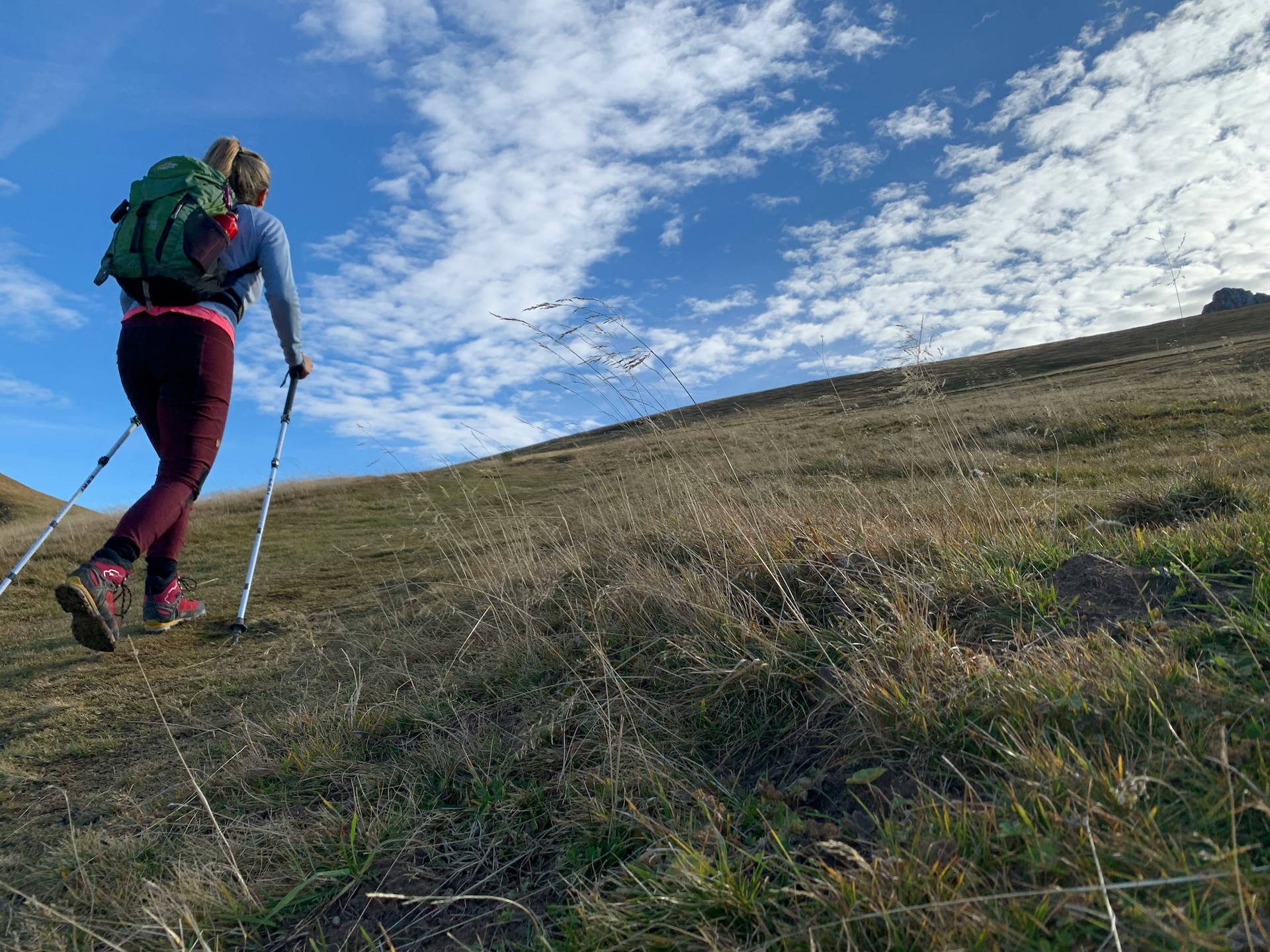
You’re investing in hiking trousers because whether you’ve been using a gym legging or another outdoor activity trouser, they’re just not cutting it anymore. Hiking trousers are designed for exactly that, hiking, so they carry distinct features. They should have a preformed knee section to allow for unrestricted movement when climbing, scaling, or crawling. Pockets should be strategically placed on the garment to avoid friction and an even weight distribution.
With these features comes the question of the overall shape of a hiking trouser, should they be slim fitting, or loose? And there is no right answer, it’s down to your preference and what fits your body shape best. Slim fitting hiking trousers have a far lower rub-risk and there’s no excess material to get in the way and cause discomfort. However, loose fitting trousers provide a more relaxed feel and allow for better air ventilation.
I referenced jeans earlier because we all have distinct preferences for how we like them to fit, and although the circumstances in which we wear either trouser is worlds apart, note the fit of your favourite pair of jeans. Are they form fitting or a wide leg? It’s likely that your ideal hiking trouser will carry a similar shape.
The Role of Waistbands in Comfort and Fit
A hiking trouser has to be, in some ways, a jack of all trades. But a master of them all too. They need to allow for a comfortable fit while providing freedom of movement, insulate your body while also regulating temperature, fit over hiking boots but avoid having excess material that drags in the mud, and it’s never one-size-fits-all.
If our waist stayed the same size all day, we’d be living out a miracle. With the natural cycle of our bodies combined with the right amount of layers to be added or stripped off throughout the hike, waistbands are very important.
Make sure your waistband has give, this might be an elasticated section, or an adjustable belted band. You can set off on your hike without worrying about any added restriction throughout the day, and your waistband can adjust accordingly to provide maximum comfort and flexibility. This feature should be a non negotiable for your hiking trousers, thank me later.
What to Look for in Customisable Features
You can customise the comfort of your hiking trousers through various design features. Many come with adjustable cuffs that you can tailor to the perfect size to fit over your walking boot. This avoids rubbing on your calf or ankle so you can find the right balance.
You should definitely consider zip vents as a feature, especially if you’re leaning toward slim fitting trousers. Vents will allow your body temperature to be regulated, for loose fitting clothing this is done easily as the air has more freedom to move. Air vents make sure heat can escape your clothing even if it’s trapped in between your skin and the fabric.
Choosing the Best Fabric for Comfort and Fit
Breathable, flexible, and lightweight. These features should be at the top of your checklist in your hunt for hiking trousers. Lots of options tend to carry their own fabric technology, so be sure to read the list of features and benefits to make sure that fabric will work for you. Durable & waterproof materials are key for comfort, they mean you can tackle tricky terrain and harsh weather conditions while remaining comfortable and dry.
Polyester is commonly used in hiking garments, it’s an extremely stretchy material that helps to provide ultimate comfort and flexibility even on challenging hikes. Though to make sure the durability factor comes into play, look out for added technology, whether it’s built into the fabric or applied in a coating.
How to Find the Right Fit
So we’ve established that finding the right fit for your trouser is the key to a happy hiker. When you’re perusing for the best option, keep fabric, waistband, and customisable features at the forefront of your hunt. Consider your preferred fit with your current wardrobe, and how this translates over to hiking trousers. You can’t look good if you don’t feel good, and Adapt Outdoors is the facilitator of both.
For a full range of hiking trouser options, browse our online store. We’re the experts after all.