
Ask ten hikers what jacket they’d recommend and most will name a brand. Wrong starting point. The right jacket for hiking has nothing to do with which logo is on the chest and everything to do with what the weather’s actually doing on the day you’re out. A £400 hardshell is wasted money on a still, mild afternoon. A lightweight softshell gets someone soaked and cold on a driving wet day on the Pennine Way. Match the jacket to the conditions first. Worry about brand after.
Insulated Jackets for Cold Dry Conditions
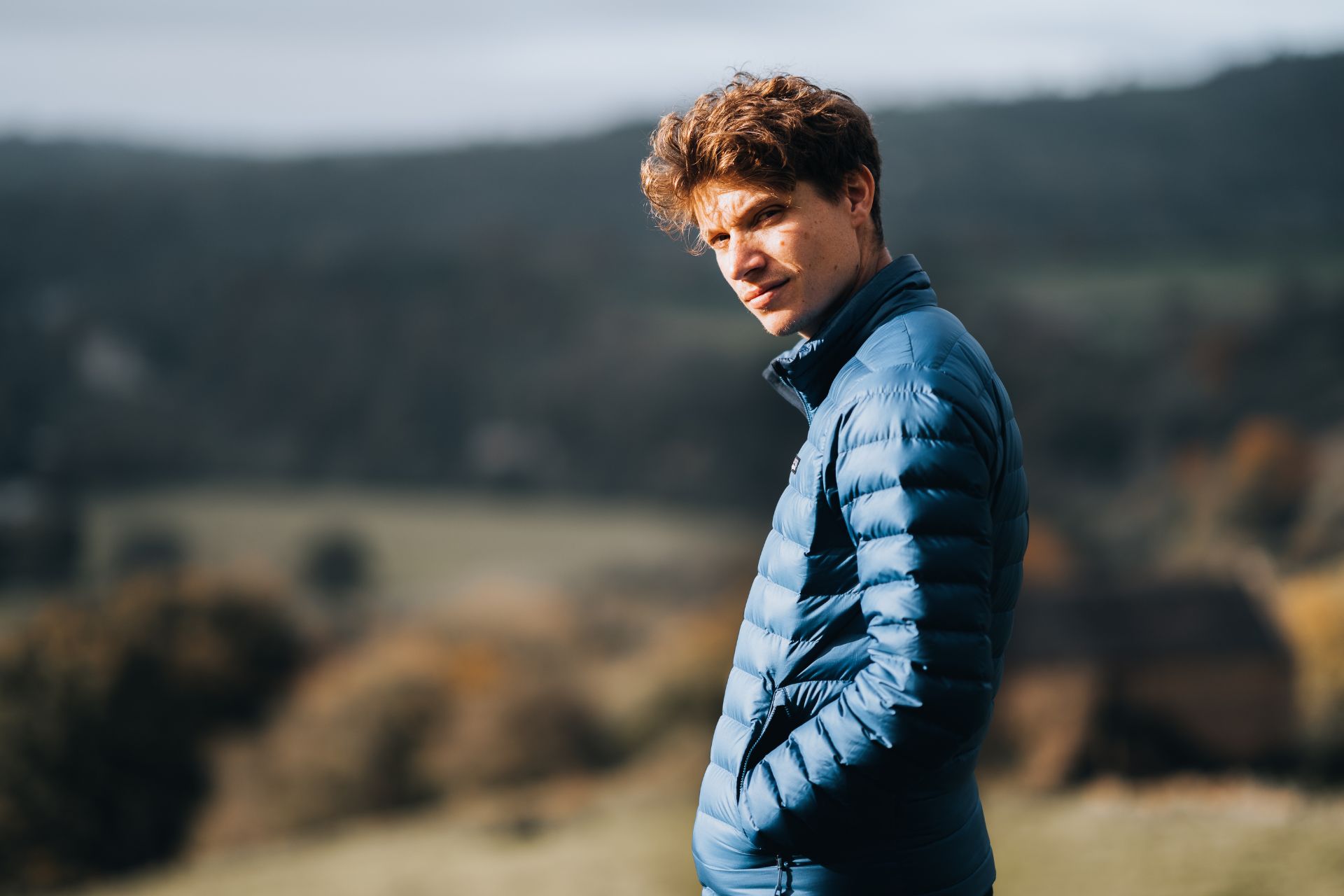
Cold is the problem an insulated jacket solves, not wet. Down or synthetic fill traps warm air close to the body, which is exactly what’s needed on a still winter walk where the main risk is heat loss rather than rain getting in. Down packs down smaller and insulates better gram for gram, provided it stays dry. Wet down clumps and stops working almost entirely, which is why synthetic fill, heavier and bulkier but still warm when damp, tends to win out for UK conditions where a dry day can’t ever be fully guaranteed. Fill power matters too. A higher fill power down jacket traps more warmth per gram of fill, so two jackets with the same weight of down can perform very differently depending on the quality of that down. None of this makes an insulated jacket a good choice for wet weather. Most aren’t waterproof, some aren’t even properly water resistant, and getting caught out in genuine rain wearing one is a specific kind of miserable. Adapt Outdoors stocks insulated jackets built for exactly the cold, dry days they’re designed for, high ground in winter, still frosty mornings, anywhere the temperature drops but the sky stays clear.
Waterproof Jackets for Wet Conditions
Rain changes the calculation completely. A genuine waterproof jacket for hiking needs a hydrostatic head rating, typically above 10,000mm for serious hillwalking, taped seams so water can’t creep in through the stitching, and a decent hood that stays put in wind rather than needing constant readjustment. Breathability is the part people underestimate. A jacket that keeps rain out but traps sweat in leaves a hiker just as wet from the inside by the time they reach the summit, which defeats half the purpose of wearing one. Membranes like Gore-Tex or a brand’s own equivalent balance both, letting vapour escape while blocking liquid water from getting in, though no membrane breathes as well as an open softshell in dry conditions. That’s the trade-off. Waterproof jackets earn their place on genuinely wet days, driving rain, low cloud that’s been sitting on the hills since dawn, anywhere the forecast shows more than a passing shower. Adapt Outdoors carries waterproof jackets built to hold up through a full day of sustained Lakeland or Peak District rain rather than just a light shower on the walk to the car.
Softshell Jackets for Mild or Active Conditions
A softshell earns its place on the days neither of the other two suit. Stretchy, breathable fabric that moves with the body rather than against it, built for aerobic effort rather than standing still in a downpour. Most offer some degree of water resistance, enough to shrug off drizzle or a brief shower, but nowhere near the protection of a hardshell in sustained rain. Where a softshell wins is breathability during hard, sweaty climbs, the kind of ascent where a waterproof jacket would turn into a sauna within twenty minutes. Mild temperatures, changeable weather, a route with a lot of vertical effort involved, that’s softshell territory. Adapt Outdoors stocks softshell jackets suited to spring and autumn hikes, or any UK day that can’t quite decide what it’s doing weather-wise, which in this country is most of them.
Matching the Jacket to the Day, Not the Wardrobe
Checking the mountain forecast before checking the wardrobe sounds obvious and gets skipped constantly. Temperature at altitude, wind chill, and precipitation probability all matter more than whichever jacket happens to be nearest the door. Layering solves the in-between days better than any single jacket can. A softshell over a base layer handles a mild, dry morning that turns breezy by afternoon, and a fleece midlayer slots between the two once the temperature drops far enough to need it. A waterproof shell packed in the bag, along with a pair of waterproof trousers, even on a forecast that looks dry, covers the version of the day that doesn’t go to plan, since mountain weather changes faster than most forecasts predict. Buying one jacket for every hike is how people end up cold, wet, or overheating on the wrong day. Three jackets covering the three conditions costs more upfront and solves the actual problem. Weight and pack space factor in too. A lightweight softshell rolls down small enough to live permanently in a daypack, while a proper insulated jacket takes up real room, which is partly why so many hikers default to carrying just a waterproof and skip the insulation until the temperature actually demands it. The honest test for any jacket for hiking is whether it matches tomorrow’s forecast, not whether it matched last month’s.
FAQs
Can One Jacket Cover All Hiking Conditions?
Not really, not properly. A three-in-one jacket, an insulated inner zipped into a waterproof shell, gets closer than most single jackets, but it’s usually heavier and bulkier than carrying the right jacket for the actual forecast. For serious or regular hiking, two or three jackets covering different conditions beats one compromise jacket trying to do everything.
Is Down or Synthetic Insulation Better for Hiking?
Depends on the risk of getting wet. Down wins on warmth to weight when dry. Synthetic keeps insulating even when damp, which matters more on a UK hike than most people expect, given how often “dry forecast” turns out to be optimistic.
What Hydrostatic Head Rating Do I Need for Hiking?
Above 10,000mm for regular UK hillwalking, since anything lower struggles under sustained heavy rain and wind pressure on higher ground. Casual dog walks in light drizzle need far less, sometimes as low as 5,000mm. The same ratings apply to legwear, which we cover in more detail in our guide to water resistant versus waterproof hiking trousers.
Can I Wear a Softshell Jacket in the Rain?
Briefly, yes, most handle light drizzle without issue. Sustained rain is a different story. Water eventually soaks through the fabric, and a softshell offers none of the seam taping that keeps a hardshell dry through hours of proper rain.
Do I Need a Separate Waterproof Jacket If I Already Own a Softshell?
Yes, for any hike where rain is a realistic possibility rather than a remote one. They solve different problems, breathability during effort versus protection from sustained rain, and neither substitutes properly for the other once the weather turns.
Getting this wrong usually means carrying the wrong jacket up a hill and finding out halfway round. Adapt Outdoors stocks insulated, waterproof and softshell jackets built for the conditions each one is actually meant for, with staff who can talk through what a specific route and forecast actually calls for before anyone buys the wrong thing. We also stock the cleaning and proofing products that keep a jacket’s water repellency working properly rather than letting it wear off over a couple of seasons.
